Your Questions, Answered
-
Play Therapy is a form of psychotherapy for children that uses play, creativity and the therapeutic relationship to help children explore their thoughts, feelings and experiences. Children do not need to have the words to explain how they feel—play is their natural way of communicating.
-
Play Therapy may be helpful if your child is experiencing anxiety, low mood, emotional outbursts, friendship difficulties, bereavement, trauma, family change, low confidence, school-based challenges, or other emotional or behavioural concerns.
If you're unsure, please get in touch. I'm always happy to have an informal conversation about whether Play Therapy feels like the right support.
-
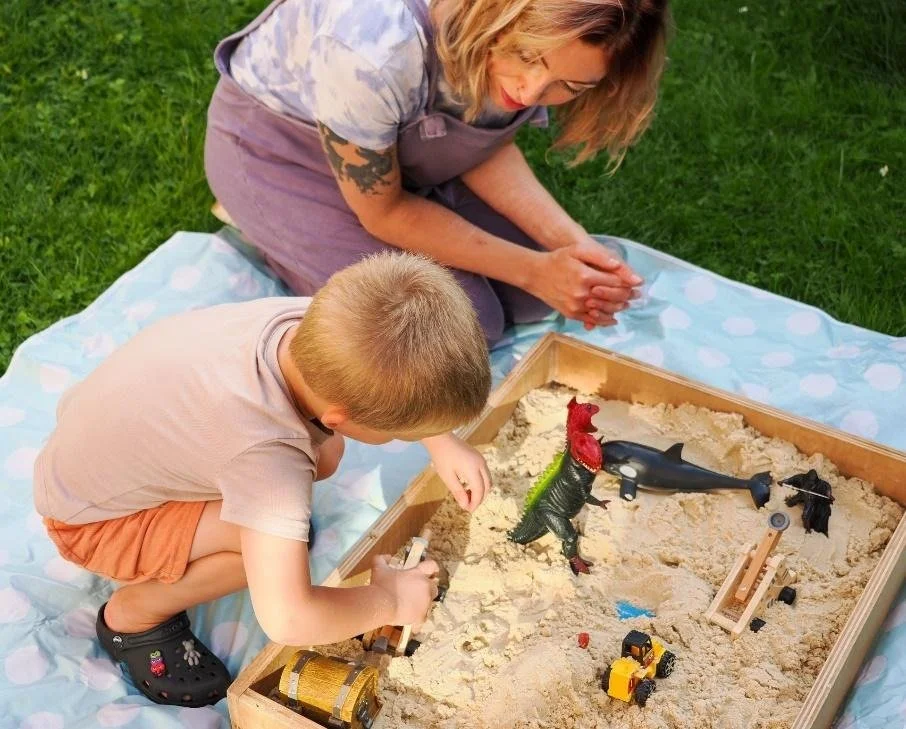
Each session is unique and guided by your child's individual needs. Children are free to explore the playroom using a wide range of carefully selected therapeutic resources, while I provide a safe, accepting and attuned relationship.
There is no expectation for children to sit and talk. Some children communicate through stories, art, movement or imaginative play, while others may enjoy quieter or more active activities.
-
That's absolutely okay.
Children often return to familiar activities because they feel safe, enjoyable or meaningful. Repetition can be an important part of the therapeutic process, allowing children to build trust, explore themes over time and experience success within the relationship.
Therapy isn't about encouraging children to use every toy in the room—it's about meeting them where they are.
-
No.
However, some children may naturally begin to talk as they feel safe enough, but there is never any pressure to do so. Play Therapy allows children to communicate in whatever way feels most comfortable for them.
-
Children need to know that the playroom is a confidential and emotionally safe space.
I will regularly meet with parents (and schools, where appropriate) to discuss progress, themes and ways to support your child. However, the specific details of what a child says or does during sessions are usually kept confidential unless there is a safeguarding concern. Collaborative, honest, and straightforward. We're here to guide the process, bring ideas to the table, and keep things moving.
-
Every child is different.
Following an initial consultation, we will discuss an appropriate number of sessions based on your child's needs. Play Therapy is not usually a quick intervention, as meaningful change develops through the therapeutic relationship over time.
Regular review meetings allow us to consider progress together.
-
Yes.
Parents are welcome to contact me directly. Sessions may take place in school (where appropriate arrangements can be made) or from another suitable therapeutic venue
-
Not always.
Some children are referred by their school, while others are referred privately by parents. Where therapy takes place within school, I work collaboratively with staff while maintaining your child's confidentiality.
-
I currently work with children and young people aged approximately 4–13 years. If you're unsure whether Play Therapy is appropriate for your child, please feel free to get in touch.
-
Yes.
I have extensive experience supporting autistic children and young people, children with ADHD, sensory differences and those exploring neurodevelopmental pathways.
Every child is unique, and therapy is adapted to meet their individual strengths, needs and ways of experiencing the world.
-
Endings are an important part of the therapeutic process and are carefully planned.
Children are given time to prepare for the ending of therapy, reflect on their journey and celebrate the progress they have made. They also take home their therapeutic memory box containing meaningful creations and reminders of their time in the playroom, if they wish.
-
Simply complete the enquiry form or get in touch by email or telephone.
We'll arrange an initial conversation to explore your concerns, answer any questions you may have and consider whether Play Therapy feels like the right support for your child.